






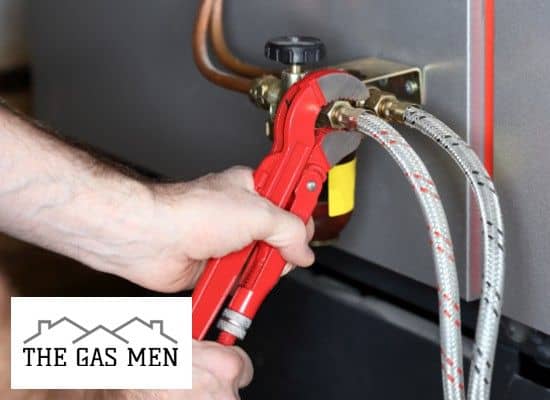
TOP-RATED GAS INSTALLATION COMPANY


Our gas appliance repair technicians around South Africa we are experts in all makes, models and types of home and commercial appliances.

We install all makes and sizes of gas hobs, gas stoves and other appliances. Owner supervised and managed. We offer affordable, trusted & experienced gas installers. Certified skilled professionals.
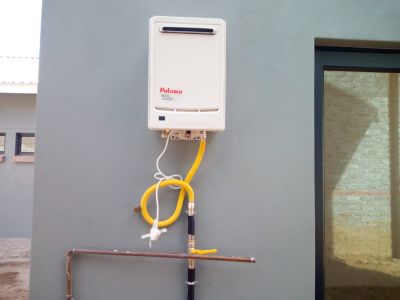
Not only will a gas geyser save you money, but you also don't have to worry about your geyser bursting. Talk to us to spec the right size gas geyser for your home or accomodation.

Our installers ready to assist with your COC and make sure you are compliant with the latest SANS guidelines.
We are registered and licensed gas LP Gas Installers so all our installations come with a certificate.

Your energy needs met. Gas generators are the last stage of complete off the grid installations! Never go without power again.

Stay warm this winter! We stock only the best brands and can assist with building your fireplace as well as installing and connecting.
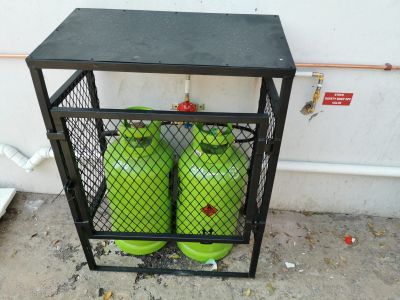
Get LP Gas bottle installations with cages according to regulations. We custom make cages and coat them to last.
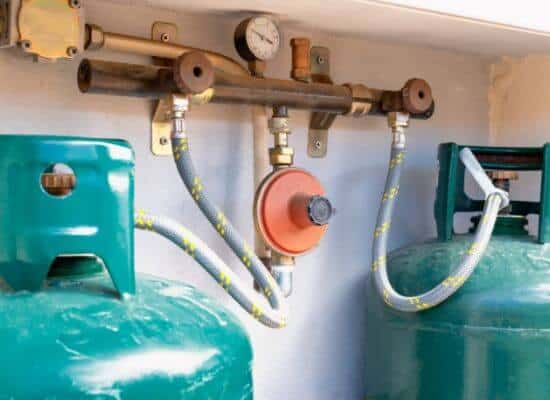
Why choose to work with The Gas Men?

Gas is most often used for heating and cooking, and it’s a safe, reliable and convenient alternative to electricity. The gas you use is standard LPG (Liquefied Petroleum Gas) from South African gas supplier Afrox. LPG is made of a mixture of propane and butane gases, and its simple chemical structure means that it’s clean-burning and very safe. Because LPG cannot burn without air, there can never be a “flashback” into the cylinder. And because the gas is stored in a cylinder, it’s easy to move it around the house, or to take it outside
LPG is a liquid fuel – and, like petrol, diesel and paraffin, it’s subject to monthly price adjustments, as determined by the Department of Energy, based on local and international factors. Those prices are also different depending on where you buy it. South Africa has 54 LPG zones, each with its own slightly different price level.
Most gas leaks occur from defective rubber tubing, faulty regulator fitting and improper handling of gas appliances. The most obvious way to detect a leak is by smell. LPG is colourless, non-toxic (not poisonous) and odourless – so the “gas” that you smell is actually an odourant that’s added to the mixture to help you detect gas leaks.
No. Gas cylinders are pressurised, and if you attempt to remove or refill that gas, you could suffer a potentially fatal accident. When your cylinder is empty, return it to your local authorised resellers or go online, where they have the correct equipment to replace, refill and exchange gas cylinders safely.
A simple test will show you how much gas is left in your cylinder. Pour hot water down one side of the bottle, and a line of condensation will appear indicating the level of the gas inside. If you don’t get a condensation line, run your hand down the side of the bottle and you should feel a distinct change of temperature at the level of the gas. The surface will be hotter where there is no gas, and cooler where there is gas. If you don’t feel a difference, the cylinder may be empty.
First, you need the gas open and the appliance knob closed (this will build up pressure in the system).
Next, apply soapy water to the valve area, using a sponge or brush. If there’s a gas leak, bubbles will form at the point of the leak. If your cylinder is leaking, turn off the gas bottle and get it replaced immediately.
Monday - Friday: 8am - 5pm
Saturdays: Closed
Sundays & Public Holidays: Closed
Randburg, Johannesburg Surrounds I Pretoria and Surrounds